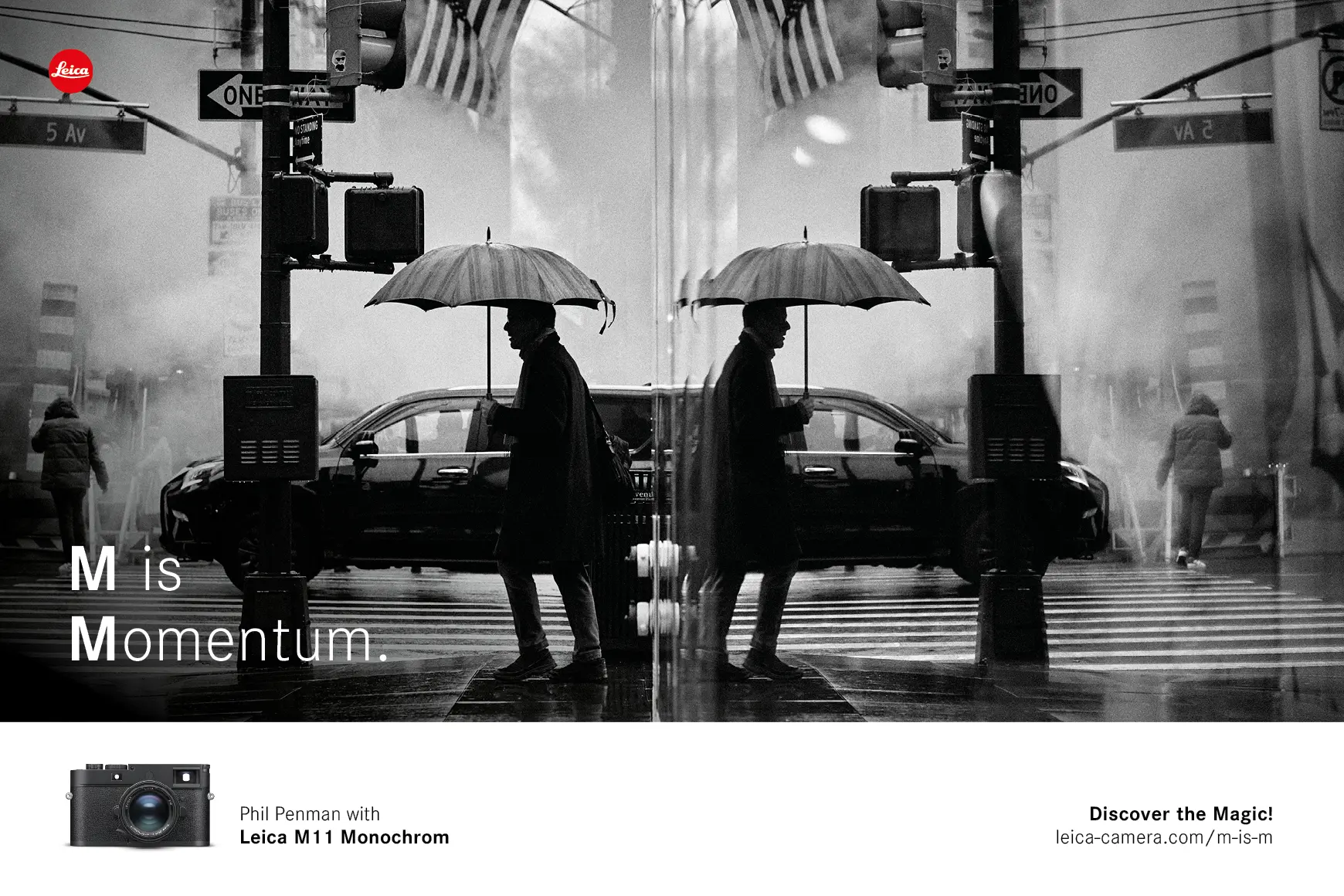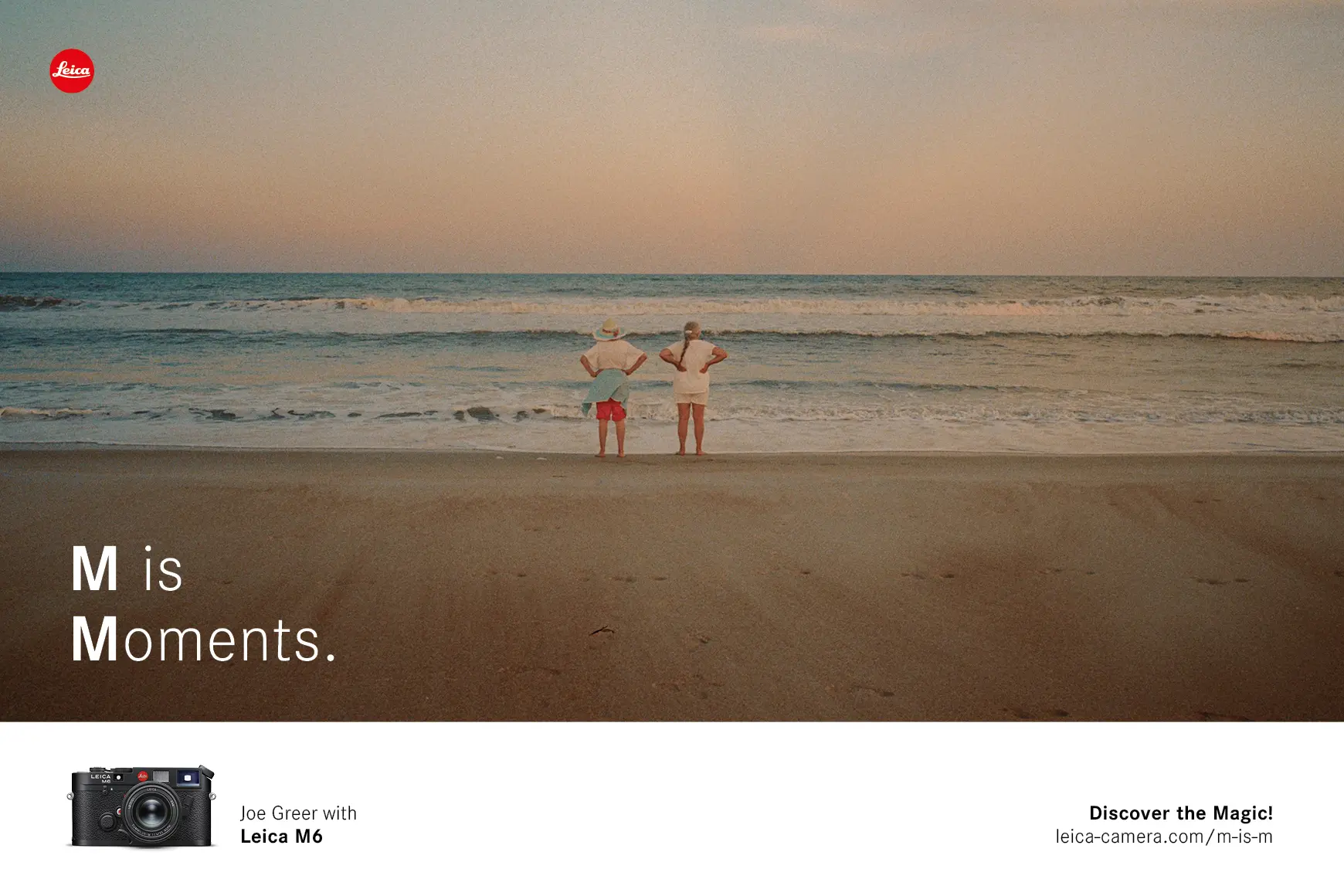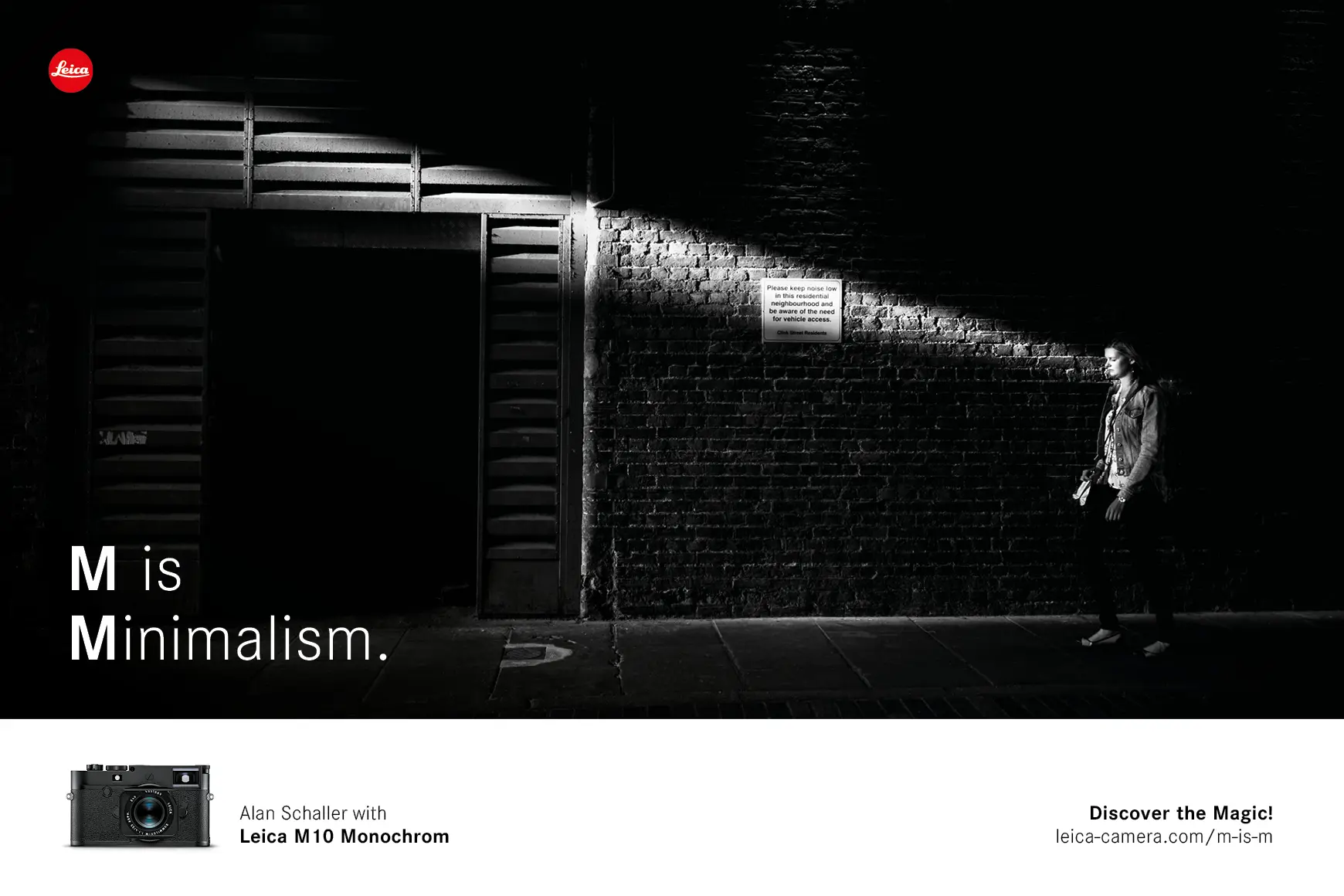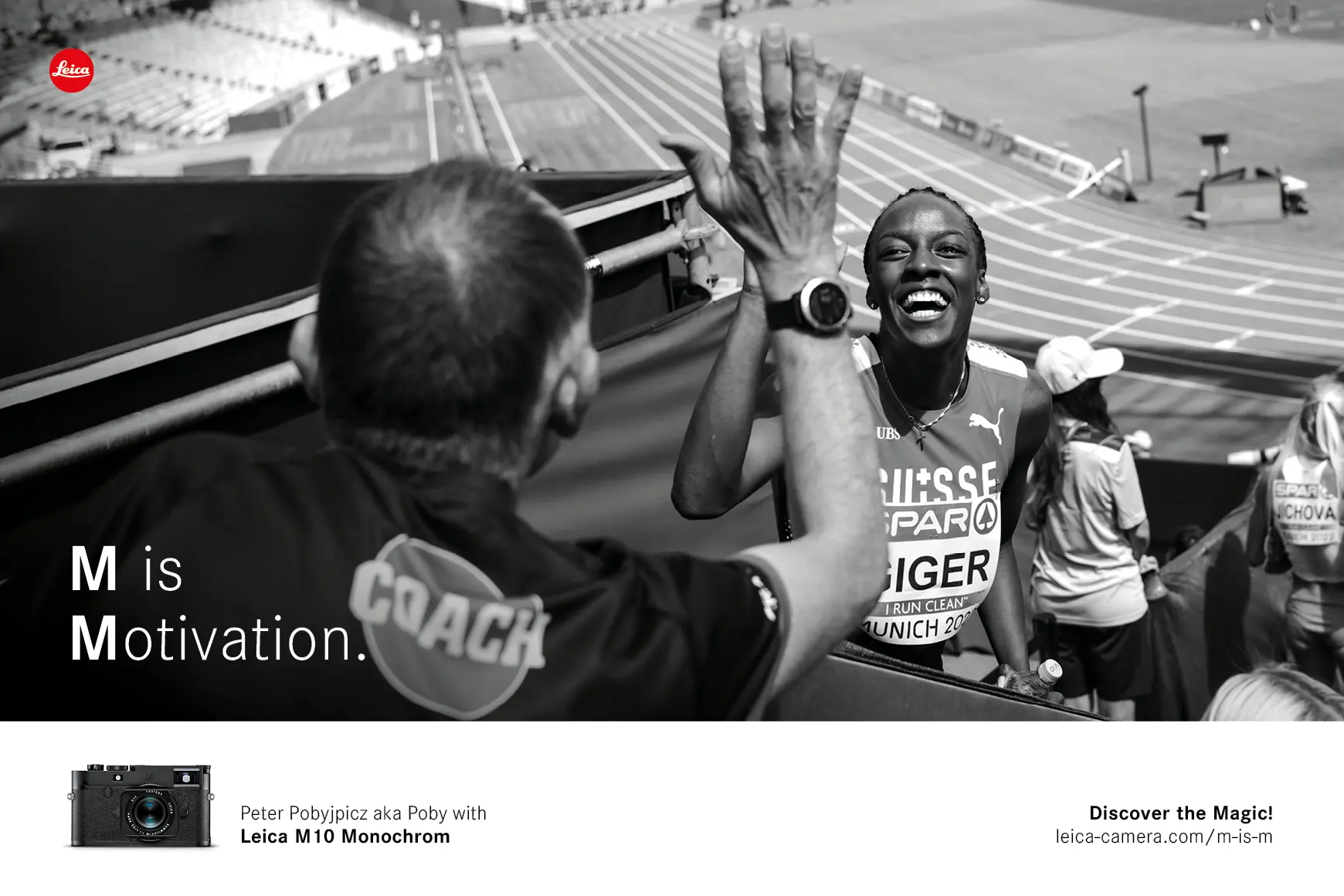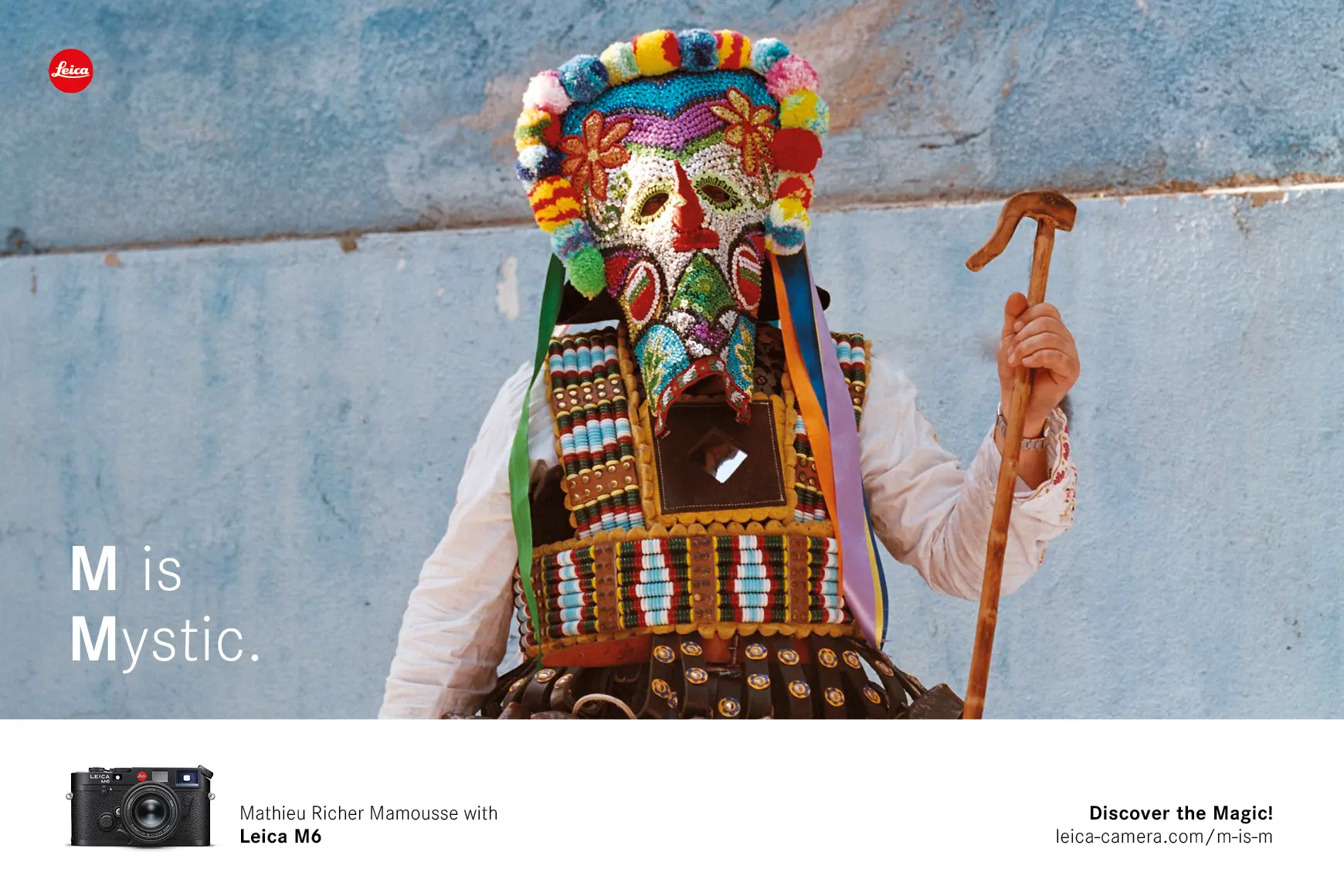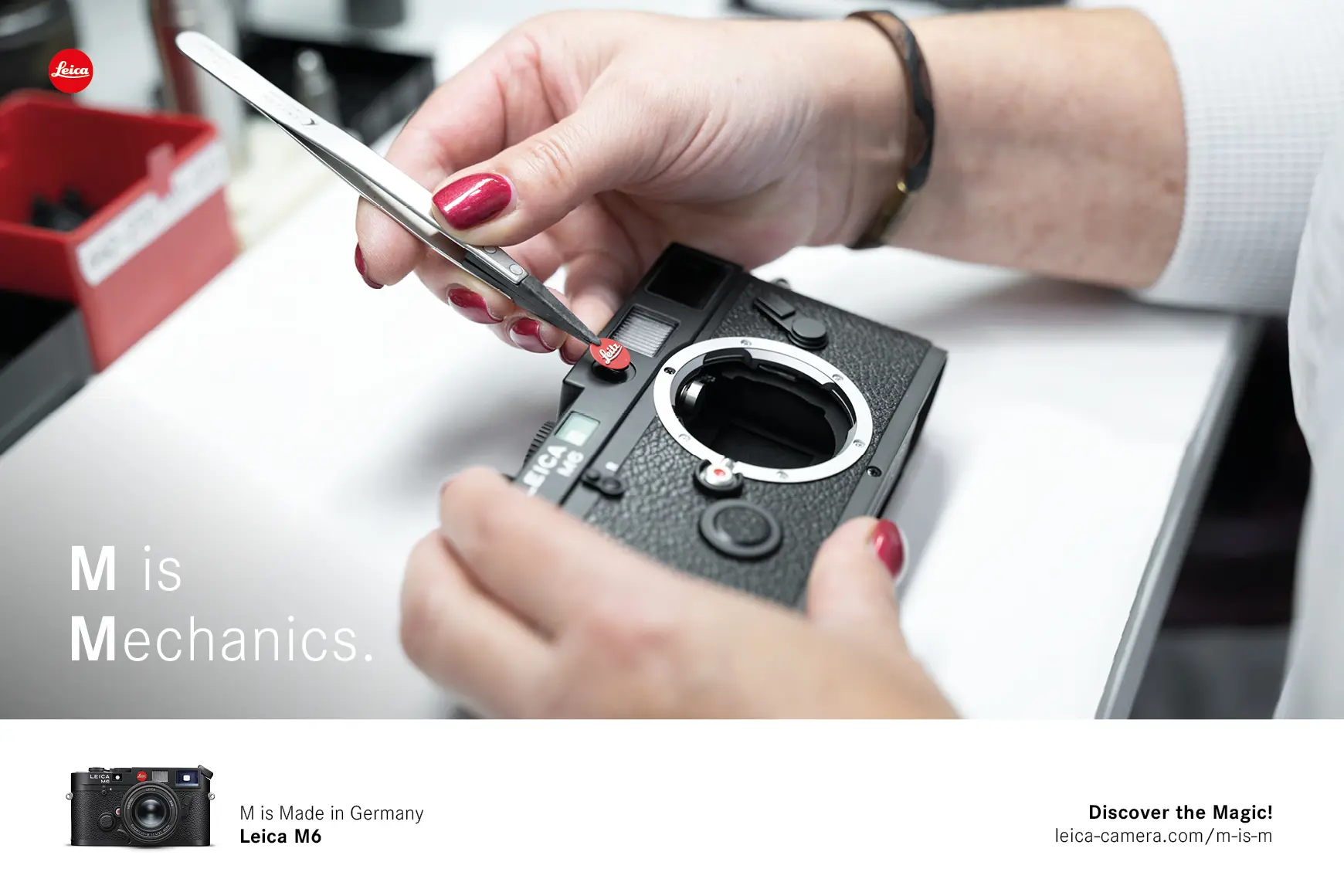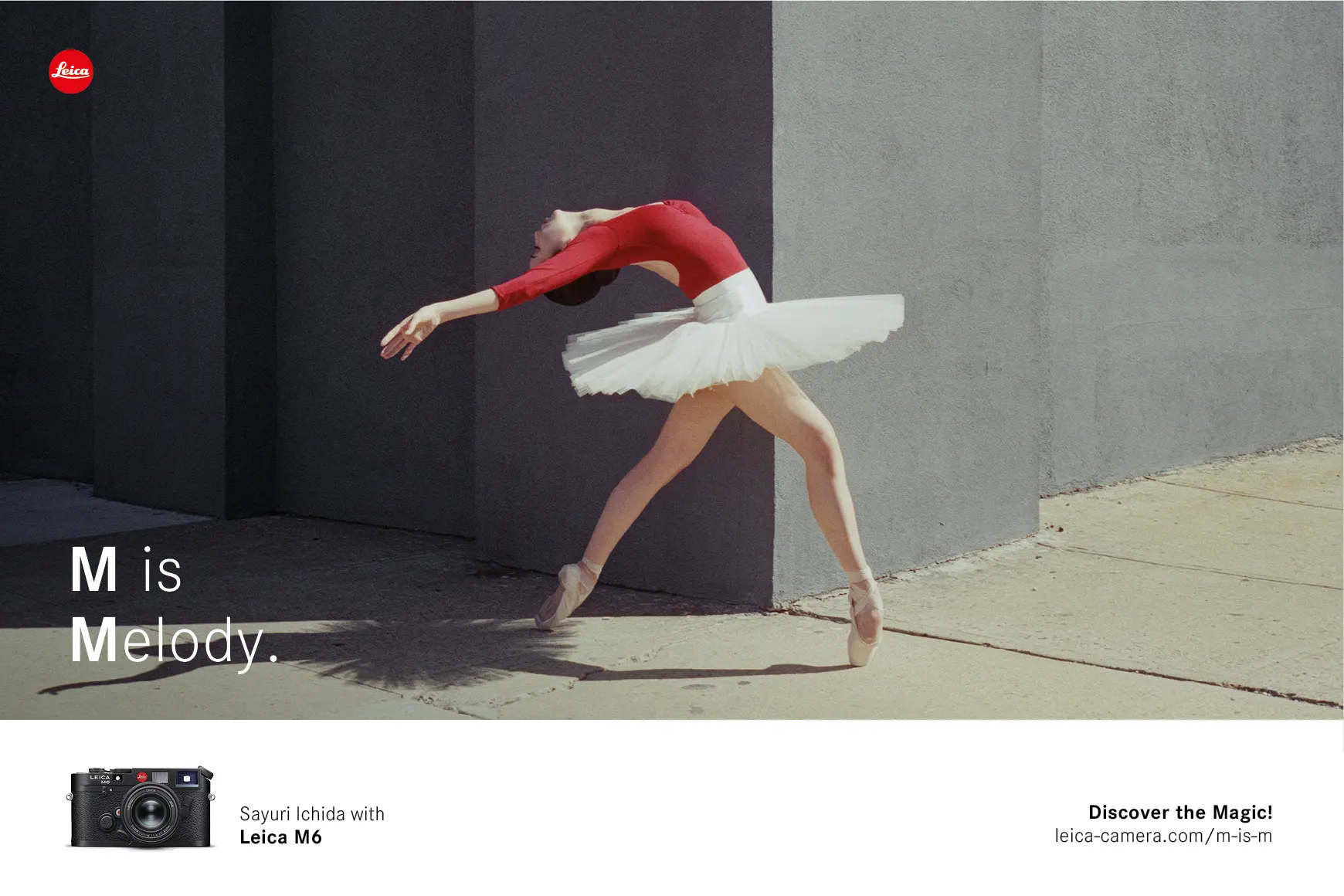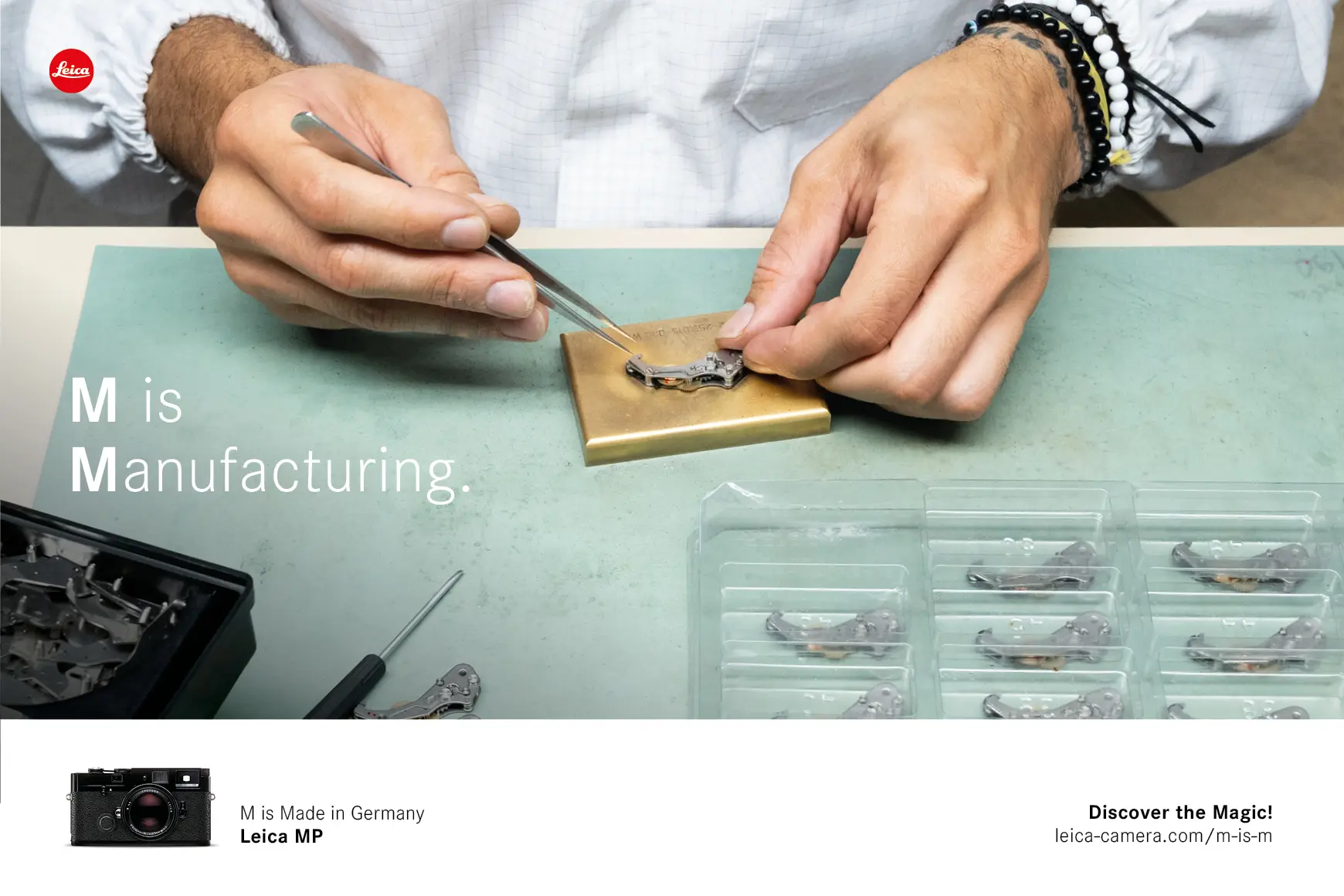
M is M

M-Photography is more than just capturing a moment; it's about capturing the emotion, the essence, and the soul behind that moment. Since 1954, the Leica M has been part of history. It’s more than a camera – it’s an icon of design, a testament to unparalleled vision, and a bridge connecting profound creativity with precision. It's a witness to history, graced by the hands of legends. When you hold a Leica M, you're embracing a legacy. A legacy of emotions, artistry, and compelling stories. Above all M is not just a letter; it's a feeling, an era, and a voice.

In short: A one-of-a-kind Rangefinder Camera System. The Leica M fascinates photographers and enthusiasts all over the world with its Design, Made in Germany Quality and the legendary Leica Brand. From the first camera until today. Because an M is an M and remains an M.

Discover the Magic!
Moments of Magic with an Icon

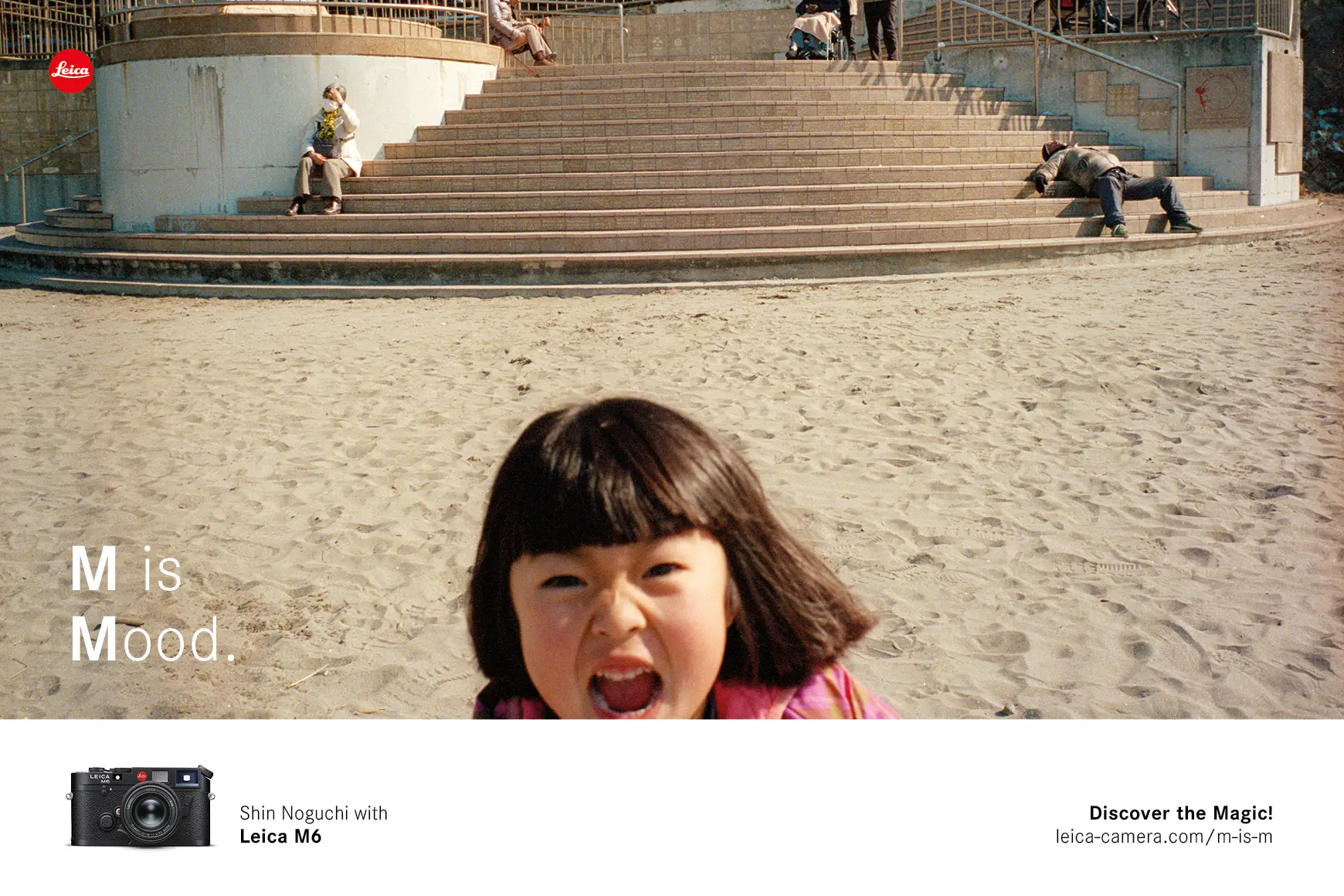
The Leica M is an extraordinary camera. And it is most often found in the hands of extraordinary people. People who see the big picture, who look twice, question triviality and recognise the unusual in everyday things. They think outside the box, look beyond the everyday and expand their own horizons.

In the Footsteps of Legendary Photographers

Leica has transformed visual communications in a decisive manner. It was the handy, 35mm format created by Oskar Barnack that first gave rise to a new and dynamic type of photography. Accordingly, following the blossoming of photojournalism in the twenties, it is evident that another chapter in the history of the medium was written with the appearance of the Leica M in the fifties. Many photojournalists have, of course, worked with a Leica; so it is hardly surprising that, to this day, many outstanding members of the Magnum Photos agency – founded in 1947 by Robert Capa, David Seymour and Henri Cartier-Bresson, among others – are Leica photographers. It is impossible to imagine many ‘decisive moments’ being recorded without a Leica. René Burri, Werner Bischof, Martine Franck, Ara Güler and Thomas Hoepker – to mention just a few of the agency’s members – have all captured unforgettable Leica moments.

Consider Nick Út’s shocking image of Kim Phúc – the seriously injured nine-year-old victim of the Vietnam War; or Alberto Korda’s famous portrait of Che Guevara, where the heroic guerilla fighter’s gaze is lost in the distance; these and many other iconic pictures share the same photographic tool in common.

A Legacy worth believing

Leica has transformed visual communications in a decisive manner. It was the handy, 35mm format created by Oskar Barnack that first gave rise to a new and dynamic type of photography.

Accordingly, following the blossoming of photojournalism in the twenties, it is evident that another chapter in the history of the medium was written with the appearance of the Leica M in the fifties.

This legacy of innovation and cultural significance continues to reinforcing Leica’s position not just as a photographic instrument, but as an object of lasting desirability and investment.

Leica MP, auctioned in 2019 for a hammer price of €1.02 Million.

Leica "Nullserie" nr. 110, auctioned in 2021 for a record price of €2.16 Million.

1914
Ur-Leica

The Ur-Leica was the first fully functional prototype of a revolutionary 35mm still camera. It was developed by Oskar Barnack while working at Leitz, forever changing the future of photography.

Its compact metal body, focal-plane shutter, and innovative film transport mechanism established the blueprint for modern cameras. The Ur-Leica also introduced synchronized film advance and shutter cocking, reducing accidental double exposures.

💡 Fun Fact

Oskar Barnack originally built the prototype as a tool for testing movie film. Only later did he realize he had created what would become the world's first practical 35mm still camera.

1925
LEICA I

"My decision is final, we will take the risk." - Ernst Leitz II

Barnack modified that first prototype Ur-Leica after the World War and persuaded Ernst Leitz, head of the company, to build a batch of cameras to test the market. Reactions were skeptical but Ernst Leitz took the risk. Leica I was born and introduced to the market at the 1925 spring fair in Leipzig.

💡 Fun Fact

The Leica I Mod. A Luxus was produced in the 1930s with only 95 units. It was auctioned for a price of 264,000 Euros.

1954
LEICA M3
The Beginning of the New Era (1954 – 1966)

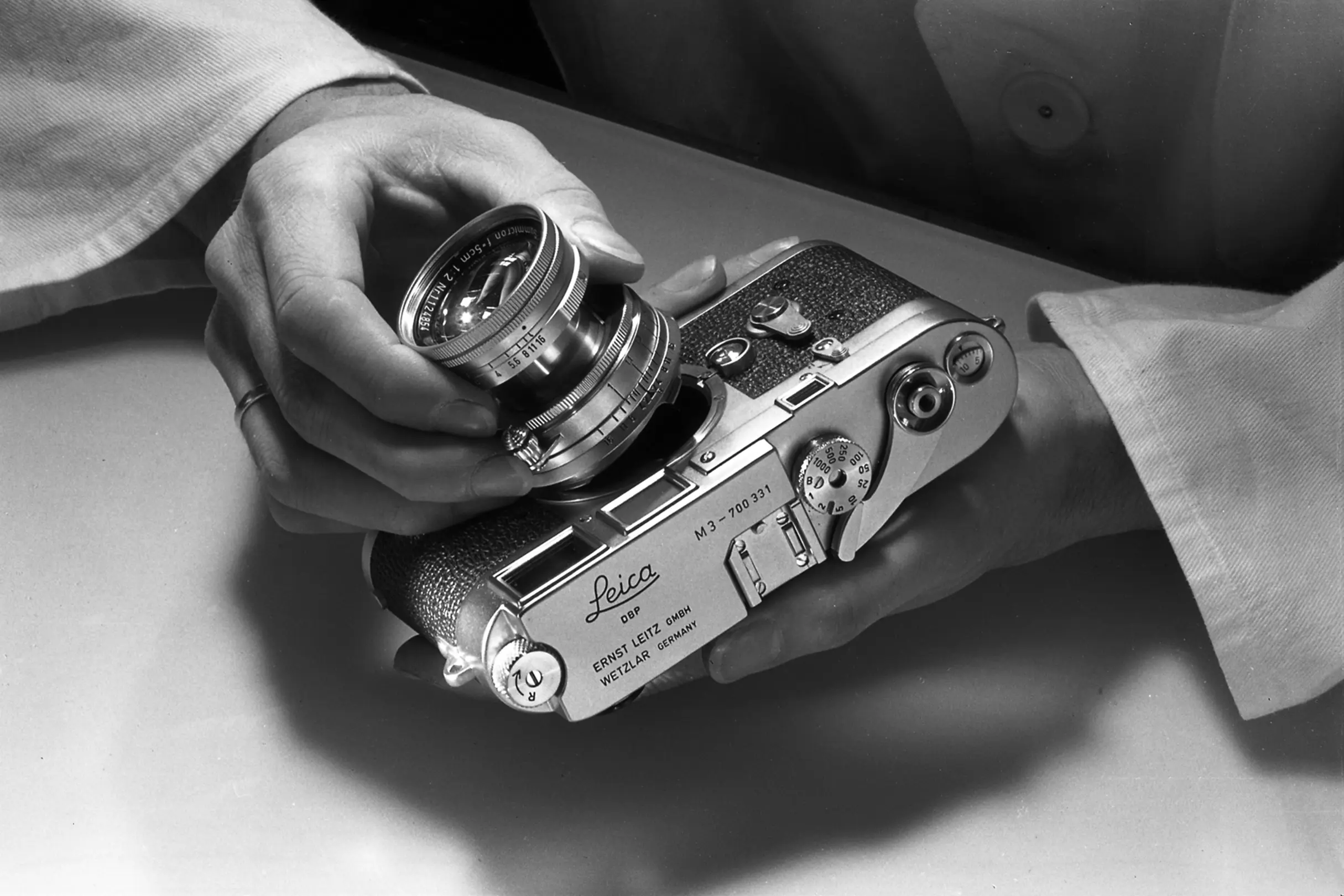
In 1954, the Leica M3 was introduced, paving the road of the legendary M system. The M3 introduced new features which included a combination of viewfinder and rangefinder in one bright window, a bayonet lens mount, and rapid film advance lever. Many considered it as one of the finest cameras that Leica has ever produced. It was also popular among 50mm shooters because of its high-magnification feature (90x viewfinder). The frame-lines available are 50mm, 90mm and 135mm, with automatic parallax correction.


This iconic image of the California Kiss was taken with the M3 by Elliot Erwitt.

💡 Fun Fact

The Leica M3 Black Paint was recently sold for 150,000 Euro on 9th October 2021.

1957
LEICA M2 (1957 – 1968)

The Leica M2 is considered to be the simplified version of M3. Unlike the M3 which automatically resets to zero when the film take-up spool is removed, the frame counter of the M2 was composed of a disk plate beneath the film advance lever that had to be manually reset to zero after reloading.

The M2 also had a rangefinder with a 0.72 magnification and frame-lines for 35mm, 50mm and 90mm lenses. This made it better suited for photojournalists who favour shorter lenses or for spectacle-wearers who used a 50mm lens and found it difficult to see the frame-lines on the M3.

Credit: Nick Ut

The photo that ended the Vietnam War - Napalm Girl (1972). Shot with the M2. Nick Ut, photojournalist working for the Associated Press at that time captured the terror of war in Vietnam as napalm bombs were accidentally dropped in civilians quarters. Among those who were hit, a naked girl (9-year-old girl, Phan Thiị Kim Phúc), was running and crying and he saw her skin falling away. The American government saw the horrors of the inflicted area, finally relented, stopping the Vietnam War.

1966
The Legends of The World Deserves Witnesses - Muhammad Ali
Muhammad Ali Showing off his Right Fist (1966)
Credit: Thomas Hoepker

In 1966, Thomas Hoepker captured one of the most iconic photographs in sports history with the Leica MP. “With this shot, he saw me during a little break between rounds in training, and he came out of the ring towards me, sticking his fist out into my camera – right fist, left fist, right fist, and then the bell rang to take him back."

1967
LEICA M4 (1967 – 1975)
The camera that almost ended the history of M

In 1967 Leitz introduced the Leica M4, one of the highest examples of mechanical perfection ever achieved in cameras, that at the same time could have sadly been the last camera of the glorious M history.

M4 added 1 extra frame-line to the viewfinder, which now covers the 35mm/135mm, 50mm and 90mm frame-lines while still at 0.72 magnification. Winder, self-timer, preview lever and film rewind became the modern design. Additionally, M4 utilizes a new film loading system, which no longer requires a separate take-up spool.

In 1975, Leica Germany stopped the production of the Leica M camera. And in 1976, Walter Kluck, head of Leitz Canada took the rights to reproduce only if they could get 4000 pieces per year. Kluck created the M4-2 and had nearly 9,000 orders. The Leica M was saved.

One Step Closer To The Moon:

Leica was one step closer to the moon.

NASA initially chose the Leica M4 as the camera to be used on their lunar missions due to its weight. Of all the systems for the Apollo missions, one could never be tested because of the low gravity of the moon. To gain as much of a weight advantage as possible, NASA did everything they could to save as weight. Yet, the Leica almost made it to the moon, if not for the weight that grounded the camera to earth.

1984
LEICA M6 (1984 – 2002)

Leica M6 laid the foundation of Leica and still is the most popular and longest production camera for 18 years.

The Leica M6 was launched in 1984. It combines the silhouette of the Leica M3 and Leica M4 with a modern, off-the-shutter light meter and a more modern implementation. The meter from the M6 was microprocessor controlled and allows for TTL flash metering.

Credit: Thomas Hoepker

The stark juxtaposition of the surreal moment from September 11, 2001, the day the Twin Towers of New York’s World Trade Centers were attacked and the casual pose of the people in the photo became a controversial picture caught by Thomas Hoepker, 45 years after snapping his iconic photo of Muhammad Ali.

2006
LEICA M8 (2006 – 2009)

M8 is Leica first foray into digital in 2006. It uses an APS-H 10.3-megapixel CCD sensor.

Although M8 body is slightly thicker than the previous versions of M camera, it laid down the basic pattern for the cameras that came after it, while remaining true to its film roots. The M8 has the fastest shutter speed of 1/8000, It also has a “discreet” mode, and the camera will not re-cock the shutter until your finger has lifted off the shutter release - this does help in quiet situations!

2009
LEICA M9 (2009 – 2012)

The M9 was Leica's first 'full-frame' digital rangefinder, enabling the use of most Leica 'M' series lenses at the originally intended field-of-view. It retains the classic M series look and build quality while promising a no-compromise approach. There were 2 other variant of M9, namely M9-P and M Monochrom.

2018
LEICA M10 (2018 – present)

In 2018, the M10 represented the final return to the purism of the Leica M photography. Video (present in the previous M Typ 240) was removed and the camera returned to its original form, including an external ISO dial where the film rewind knob used to be in M3 and M2 cameras.

Leica M-Camera precisely provides all the functions that are essential for photography today
The Rangefinder: Keeping an Eye on the Scene

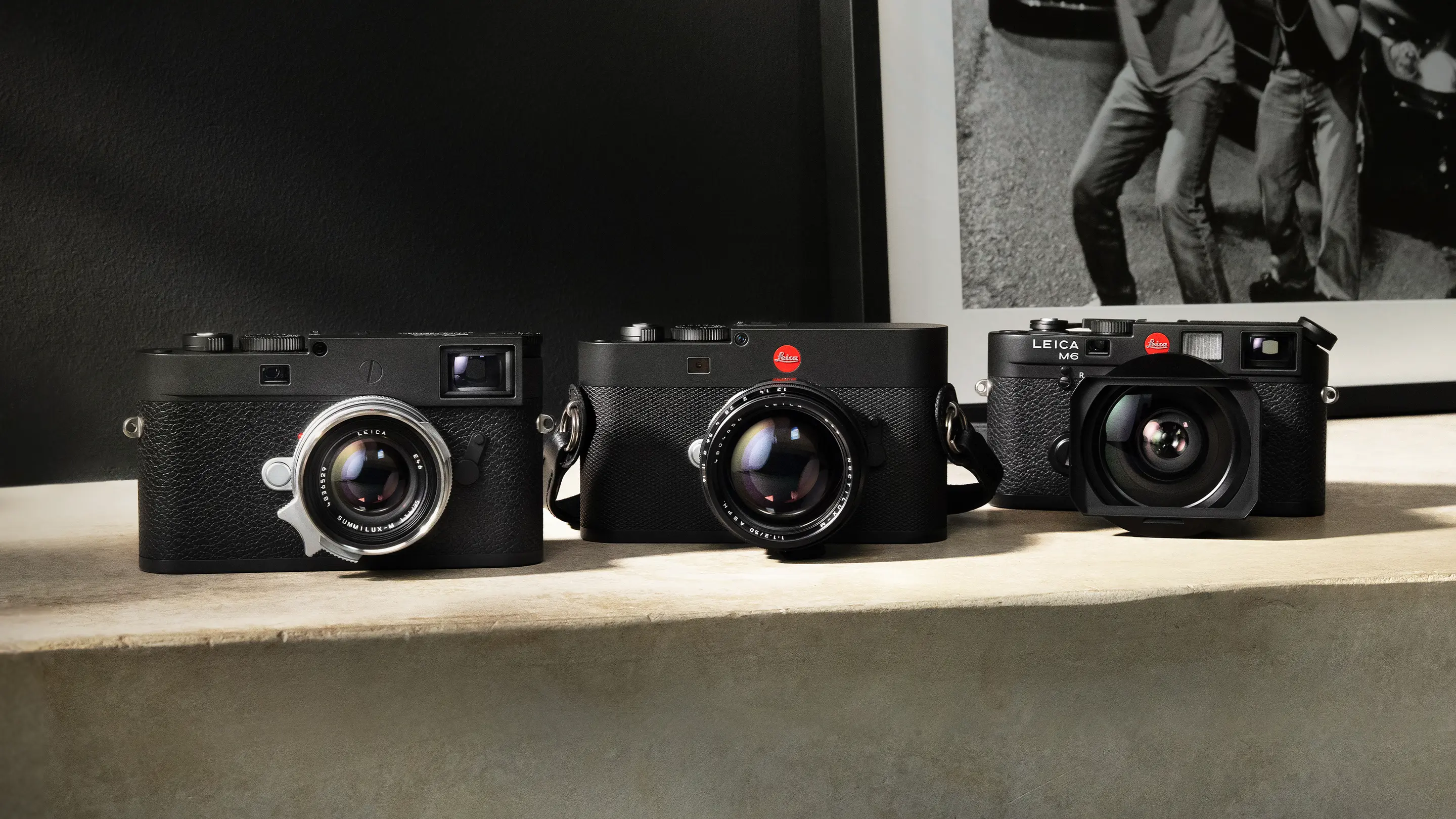
At the core of every classic Leica M-Camera is its optical rangefinder. It reveals a clear, unaltered view that reaches beyond the image itself. This enables photographers to anticipate elements outside the frame and compose each shot with deliberate intent. The corresponding bright-line frame for one of the six focal lengths appears automatically with each lens fitted: 28/90 mm, 35/135 mm or 50/75 mm. The focus is set manually using the precise superimposed image in the viewfinder. The field selector can also be used to preview other focal lengths without the need to change lenses. Each mechanical rangefinder is handcrafted at the Leica manufactory in Germany from over 100 individual components – built to the tightest tolerances and precisely calibrated for each M-Camera.

The Electronic Viewfinder (EVF): Complete Confidence

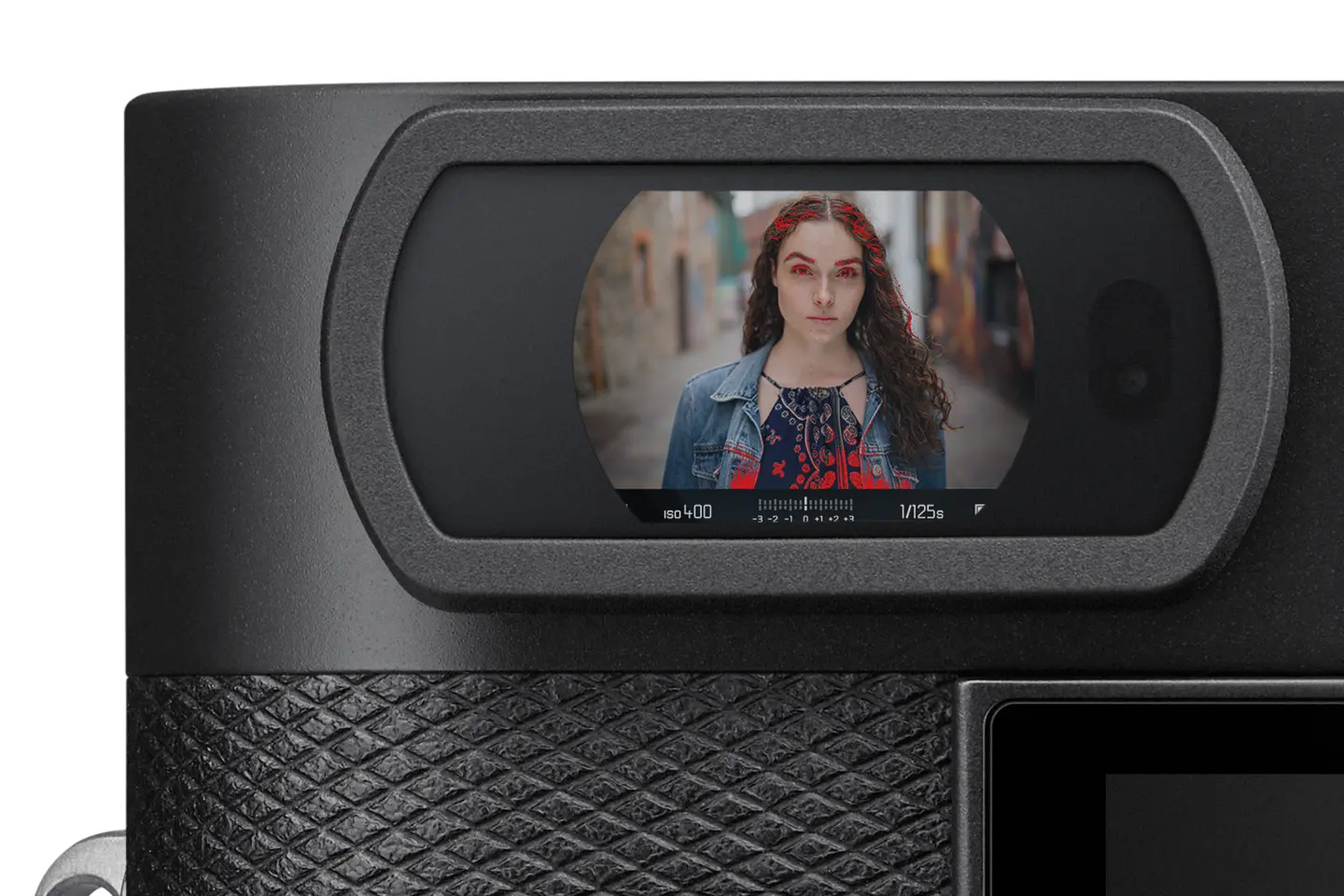
The high-resolution electronic viewfinder of the Leica M EV1 unlocks new possibilities in M photography, providing full compositional control for all users, regardless of visual acuity. Free from distortions caused by the lens, focal length or focus distance, it presents the subject precisely as captured – a distinct advantage when using ultra-wide-angle or telephoto lenses. All chosen settings are instantly displayed in the preview. In addition, visual aids, such as focus peaking and focus zoom, offer dependable assistance for accurate focusing, particularly when working with fast lenses and a very shallow depth of field. For complete confidence and control with every shot.
Made in Germany

With their purist design and exquisite craftsmanship using the finest materials, Leica M-Cameras are timeless icons – genuine heirlooms often handed down through generations. A lens from 1954 can still be effortlessly used with the latest digital models. In this way, tradition merges with innovation, allowing history to live on to the present day.
Speak to an Expert